Medical Photography
Medical photography is a highly important tool for documentation, education, and medical research. Due to the sensitivities of this field, photography in clinical environments requires adherence to specific considerations so that the images are not only of high quality but also scientifically valuable. Below, we will address the key points of medical photography.
1. Maintaining Patient Privacy
• Just like in videography, in medical photography, you must first obtain the patient’s written consent. You must ensure that the patient’s identity is not easily identifiable unless authorized by them.
• If photographing identifiable areas such as the face is necessary, the patient must be fully informed about how the images will be used.
2. Camera and Equipment Quality
• In medical photography, capturing critical details such as tissues, wounds, and medical instruments is essential. For this purpose, high-quality cameras and macro lenses should be used to record fine details.
• Proper lighting setup is crucial; appropriate lighting helps ensure that body colors and textures are accurately captured and important information is not lost.
3. Composition and Appropriate Angles
• Choosing the correct angle and principled composition in medical photography ensures that the image is both aesthetically pleasing and scientifically complete. Use angles that clearly depict all relevant details of the subject (such as the surgical site or wound).
• Be mindful that images must be clean and precise; incorrect perspectives or improper lighting can render an image unusable.
4. Lighting and Use of Flash
• Most clinical environments or operating rooms do not have suitable lighting for photography, making the use of professional flashes essential.
• Ensure the flash is not excessively strong, as it may distort colors and details. Soft light yields the best results for capturing body tissues and medical information.
5. Use of Scale
• When photographing wounds, lesions, or masses, a standard measuring device (such as a ruler) should always be placed next to the subject to convey real dimensions accurately.
6. Maintaining Hygiene and Sterility of Equipment
• Just as hygiene protocols are strictly followed for all instruments in medical settings, photography equipment must also be sterilized to ensure no risk to the patient. The use of sterile covers for cameras and accessories is highly recommended.
7. Standardization and Image Labeling
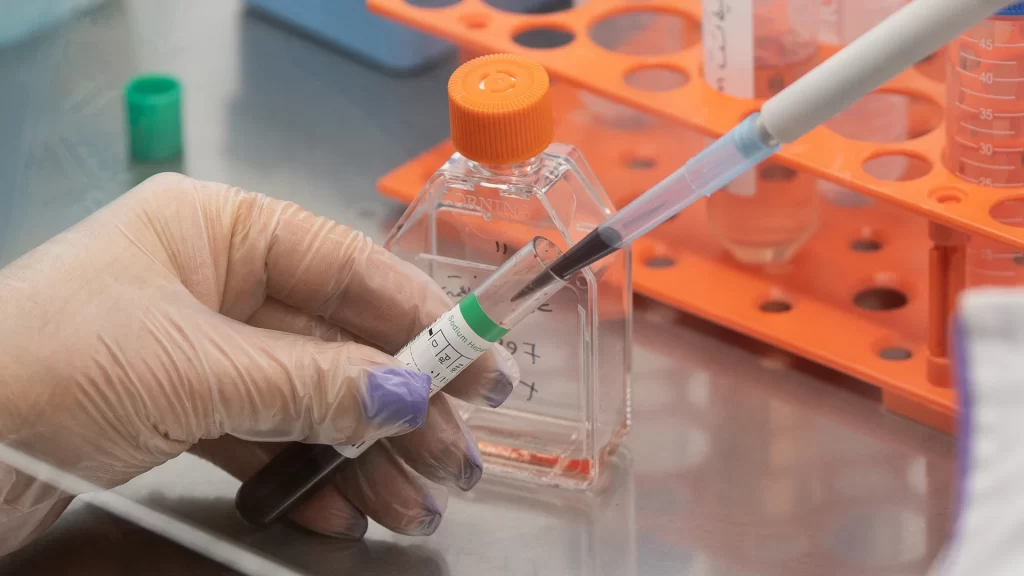
• Medical images must be accurately categorized and labeled to facilitate easy access later. These labels can include information such as date, type of disease, location, and treatment method.
8. Ethical Image Editing
• After photography, editing of images may be necessary; however, such edits should be minimal to preserve the original information of the image. Adjusting lighting and contrast can enhance photo quality, but any editing that alters medical details must be strictly avoided.
9. Educational and Research Purpose
• Medical photos are often used for education and research; therefore, key details and important subjects must be reflected accurately and clearly in the images. A good image can explain a complex scientific topic on its own.
10. Adherence to Ethical and Legal Principles
• Any use of medical images must comply with ethical principles and medical laws. Images must not be used without the patient’s full consent or for purposes other than treatment, education, or research.
11. Utilization of Modern Technologies
• Today, technologies such as three-dimensional (3D) photography and advanced digital imaging enable the capture of more precise and realistic images. These technologies can contribute to better documentation and more accurate diagnosis.
Adhering to these guidelines ensures that medical photography serves as a powerful tool for treatment, education, and scientific research, allowing visual information to be captured in the most effective manner possible.